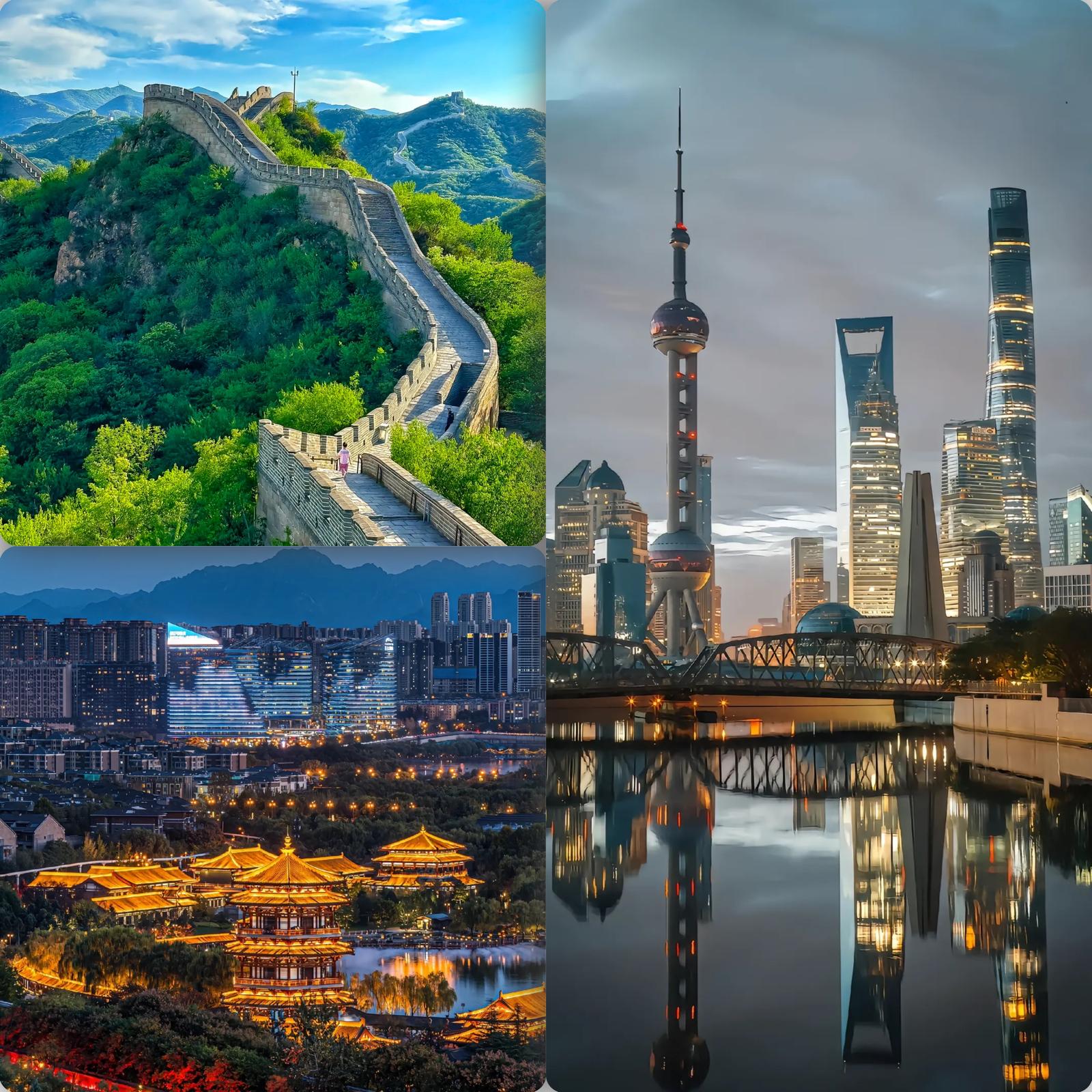
The ancient imperial capital
Beijing is the capital of China and one of the country's most important historical and cultural centres. Located in northern China, it has been an imperial capital for centuries and preserves some of the most iconic monuments in Chinese history. The city combines grand imperial palaces, historic temples and ancient traditional neighbourhoods with a vibrant modern metropolis, making it an essential destination for understanding China's history, culture and identity.
What to see?
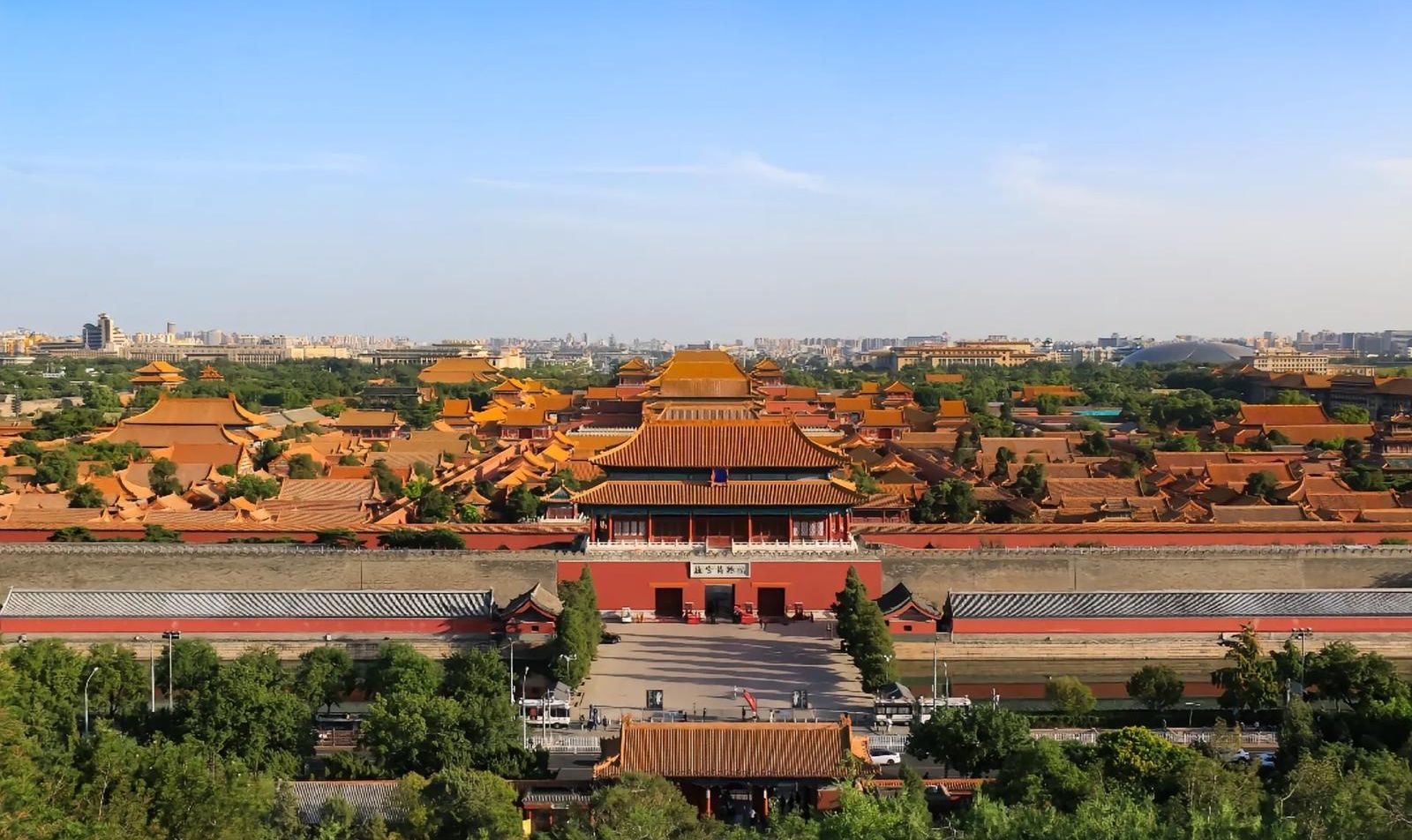
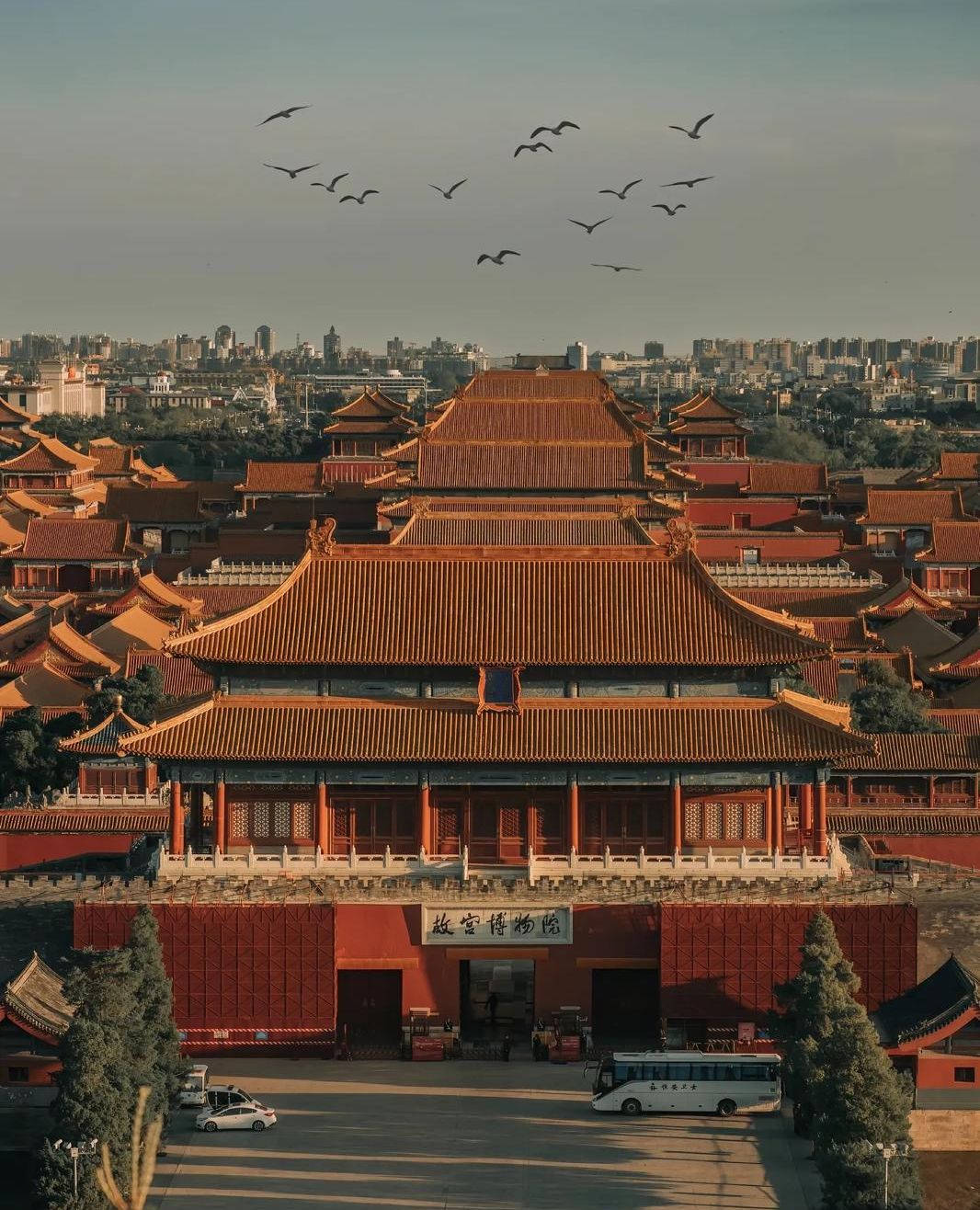
The Forbidden City
The former imperial palace of the Ming and Qing dynasties and one of the world's most impressive palace complexes. For centuries it was the centre of Chinese imperial power.
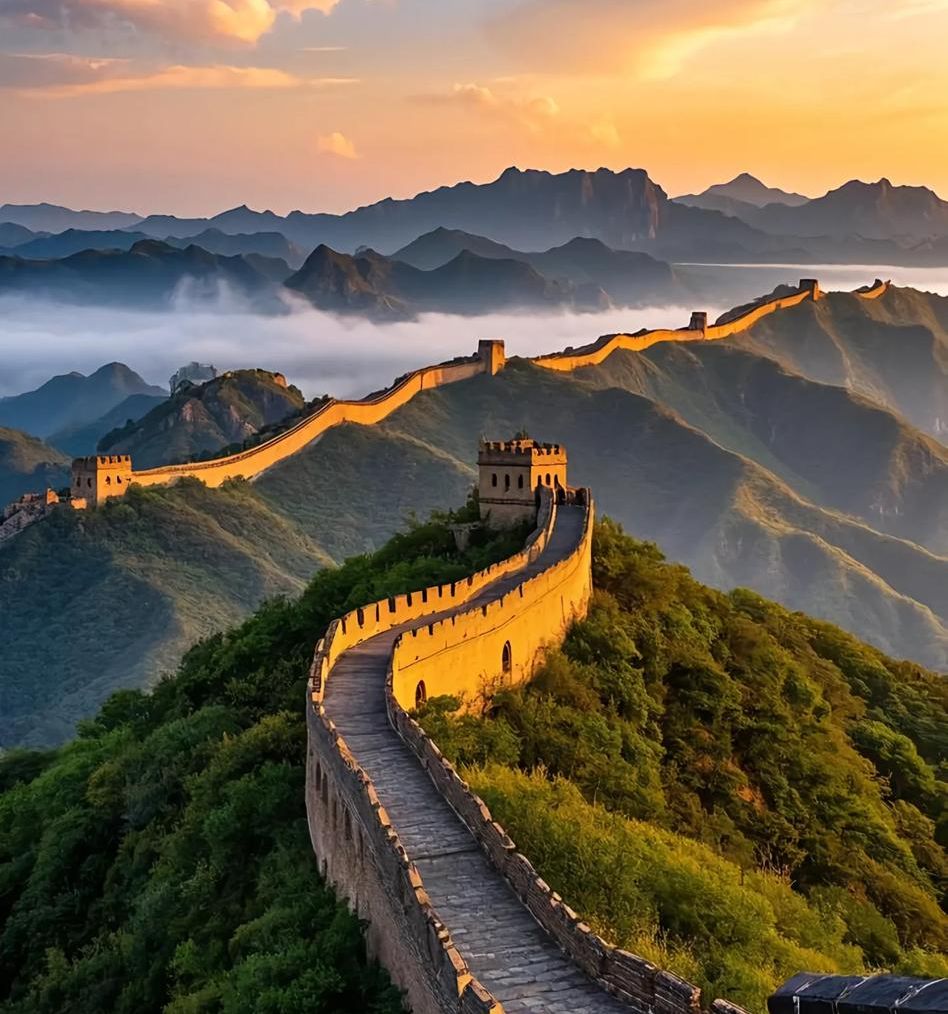
The Great Wall of China
One of the world's most famous monuments. From Beijing you can visit several well-preserved sections, such as Mutianyu or Badaling, offering spectacular views of the wall crossing the mountains.
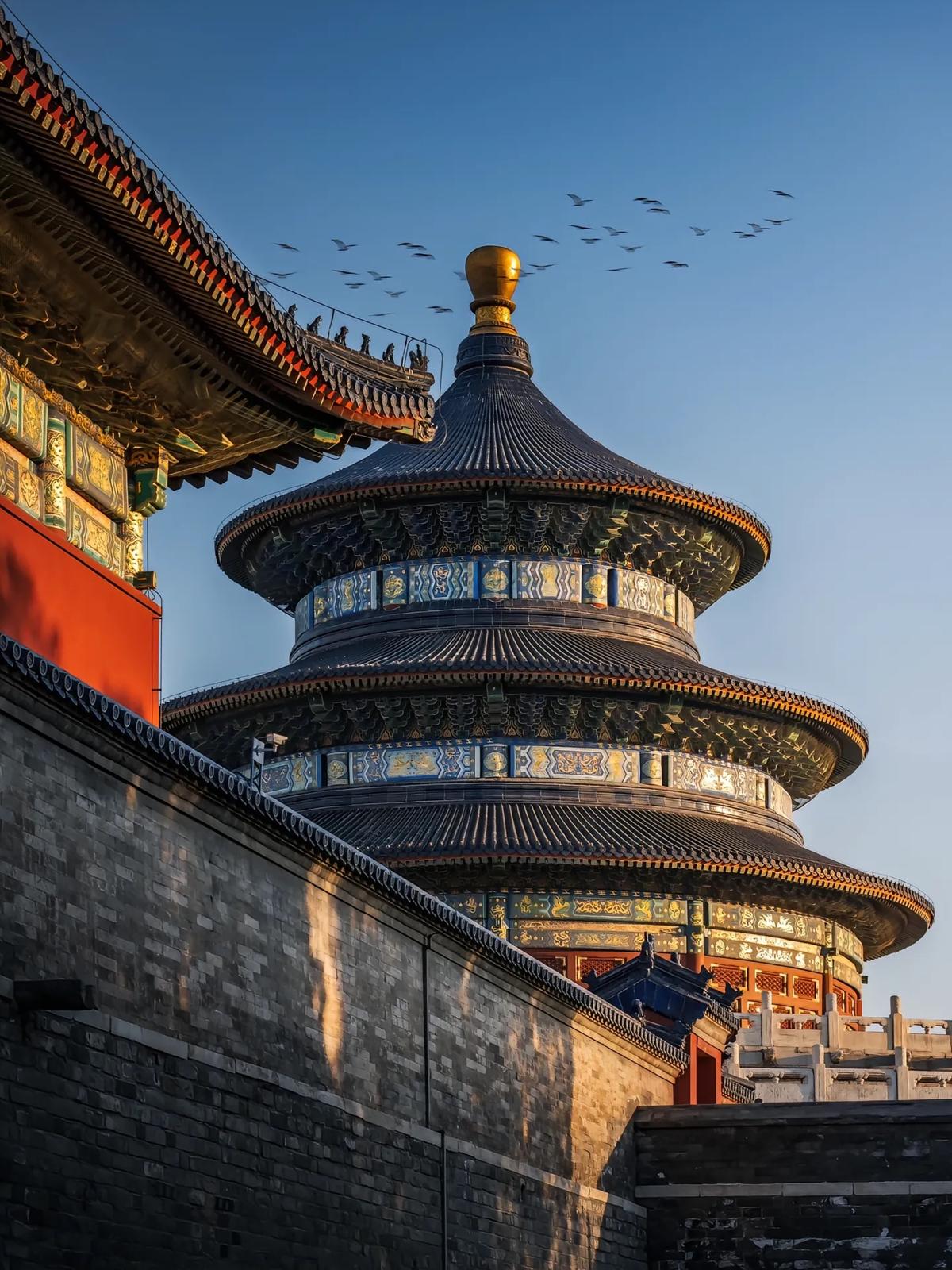
Temple of Heaven
A majestic ceremonial complex where emperors performed rituals to pray for good harvests. It is one of the finest examples of Chinese imperial architecture.
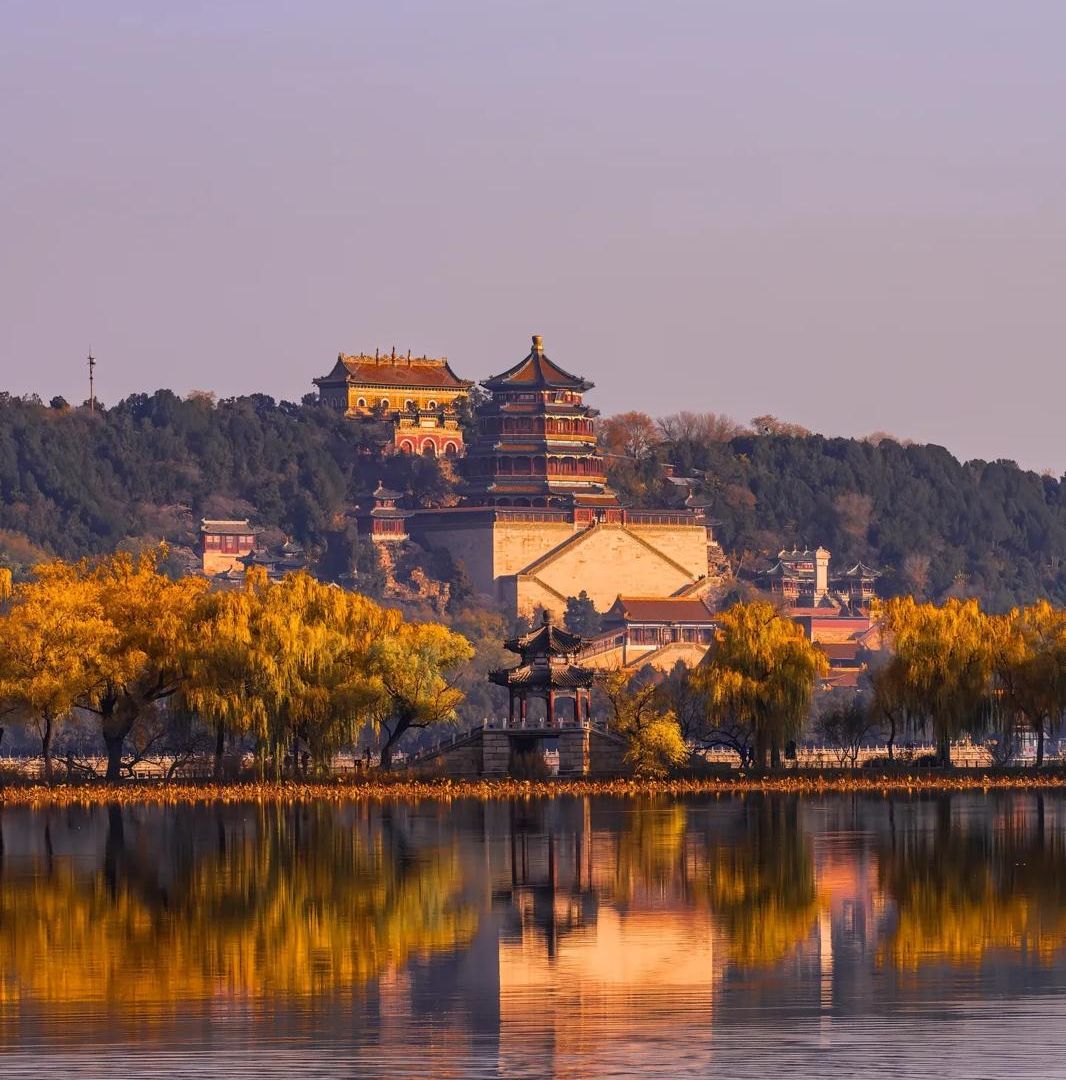
Summer Palace
A large complex of imperial gardens, lakes and pavilions where emperors spent the warmer months.
Recommended experiences
Walking the Great Wall of China
Walking one of the wall sections near Beijing is a unique experience that lets you appreciate the magnitude of this historic work and enjoy spectacular mountain scenery.
Exploring the hutongs by bicycle or rickshaw
Touring the ancient traditional alleyways reveals the city's daily life and the most authentic side of Beijing.
Trying Peking roast duck
One of the most famous dishes in Chinese cuisine. Tasting it in a traditional restaurant is an essential experience.
Strolling through the Summer Palace
Walking through its gardens, pavilions and alongside Kunming Lake reveals one of China's most elegant landscape ensembles.
Culture & fun facts
Imperial capital for centuries
Beijing has been China's political centre for much of its history, especially during the Ming and Qing dynasties, when many of the monuments that define the city today were built.
The Forbidden City, heart of the empire
For nearly 500 years, this enormous palace complex was the residence of the emperors and the centre of political power of the Chinese empire.
The hutongs and traditional life
The hutongs are ancient alleyways formed by courtyard houses that reflect Beijing's traditional architecture and offer a glimpse into the city's past daily life.
China's cultural and political centre
Besides being the country's capital, Beijing is an important cultural centre with museums, universities and some of China's most influential institutions.
Local cuisine
Beijing's cuisine is known for its bold flavours and some of the most iconic dishes in Chinese cooking. The most famous is Peking roast duck, served with thin pancakes, spring onion and sweet sauce, considered one of the country's great specialities. Also popular are jiaozi (filled dumplings), northern Chinese-style noodles and various roast meat dishes. In the city's streets it is common to find markets and food stalls where you can try traditional snacks and discover the diversity of local cuisine.
Tips for travellers
Beijing has one of Asia's most important international airports and excellent connections by high-speed rail with other major cities like Shanghai, Xi'an or Chengdu. To visit its main monuments it is recommended to spend three to four days, as many of the sights are extensive. The city has a very efficient metro system, which makes it easy to get between the main tourist sites. From Beijing it is also very easy to take excursions to the Great Wall of China, with the Mutianyu and Badaling sections being the most accessible from the capital.