
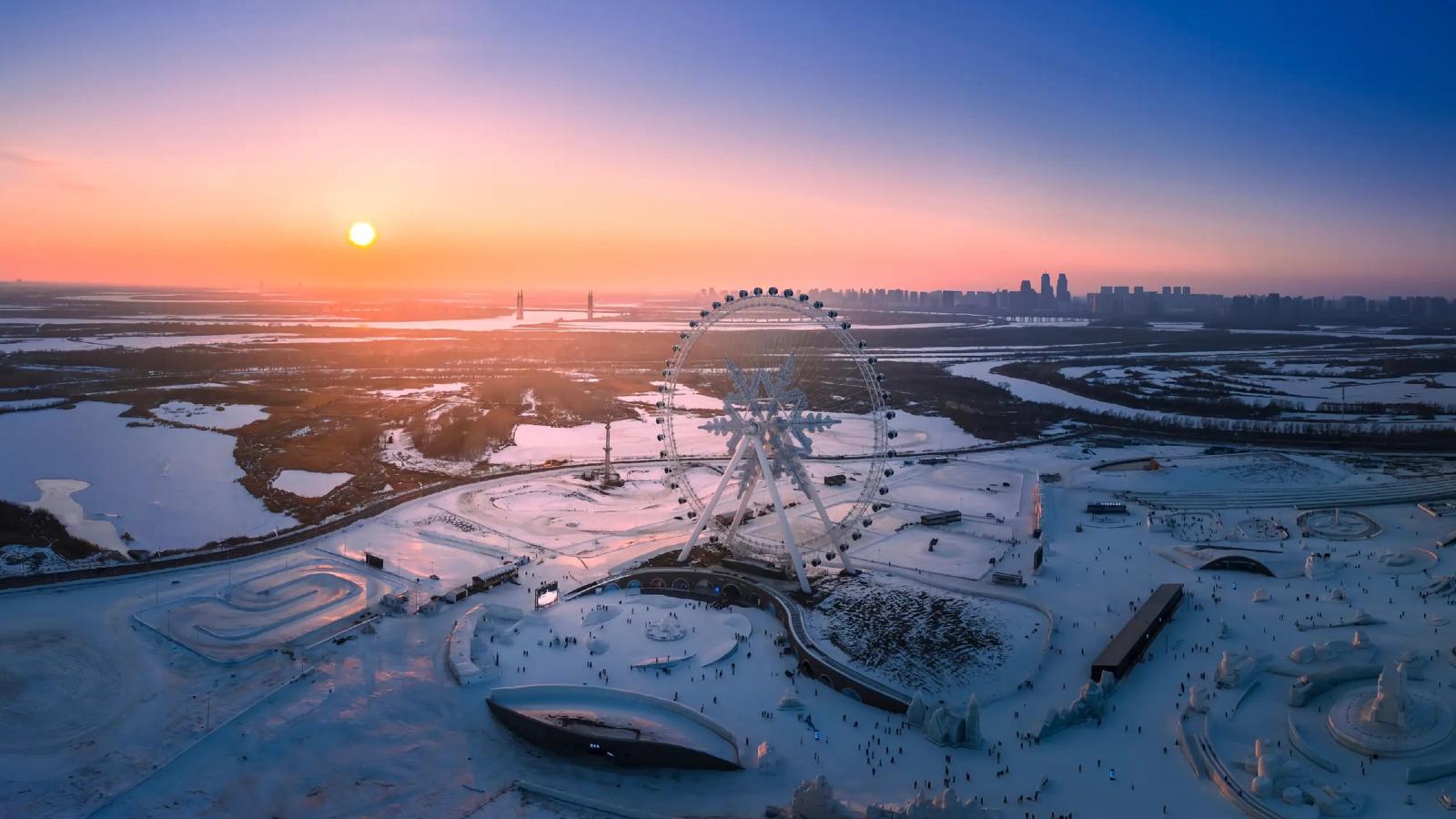
The Ice City of northern China
Harbin is located in northeastern China, in Heilongjiang Province, near the Russian border. It is known for its strong European influence, especially Russian, visible in its architecture and culture, making it one of the most unique cities in the country. Harbin is world-famous for its International Ice and Snow Festival, where enormous illuminated ice sculptures transform the city into a unique spectacle during winter. With wide avenues, European-style churches and an atmosphere completely different from the rest of China, Harbin offers a very special cultural and scenic experience.
What to see?
Harbin Ice and Snow Festival
The city's main attraction in winter, with impressive illuminated ice and snow sculptures.
Saint Sophia Cathedral
A city icon, this Russian Orthodox church stands out for its architecture and history.
Zhongyang Street
One of Harbin's most famous streets, with European architecture, shops, cafes and a lively atmosphere.
Recommended experiences
Visiting the Ice Festival at night
The illuminated sculptures create a unique visual spectacle.
Walking along Zhongyang Street
Enjoying the European atmosphere and trying local sweets and products.
Experiencing extreme winter
Harbin is one of the coldest places in China, ideal for an authentic winter experience.
Culture & fun facts
Russian influence
Harbin had a strong Russian presence in the past, reflected in its architecture, cuisine and culture.
One of China's coldest winters
Temperatures can drop well below -20°C in winter.
China's ice capital
The ice festival is one of the world's largest.
Unique cultural mix
The city combines Chinese and European elements like few others in the country.
Local cuisine
Harbin's cuisine has influences from northern China and Russia. Hearty dishes ideal for the cold are typical, such as meats, stews and bread. Also famous is the Harbin sausage, as well as European-inspired bread and pastries.
Tips for travellers
Harbin has an international airport and rail connections, facilitating access from other Chinese cities. The best time to visit is in winter, especially during the ice festival (January-February). It is essential to bring warm clothing suitable for extreme temperatures, including gloves, hat and multiple layers. For a complete visit it is recommended to spend one to two days, although it can be extended if you want to enjoy more winter activities.
Coming soon