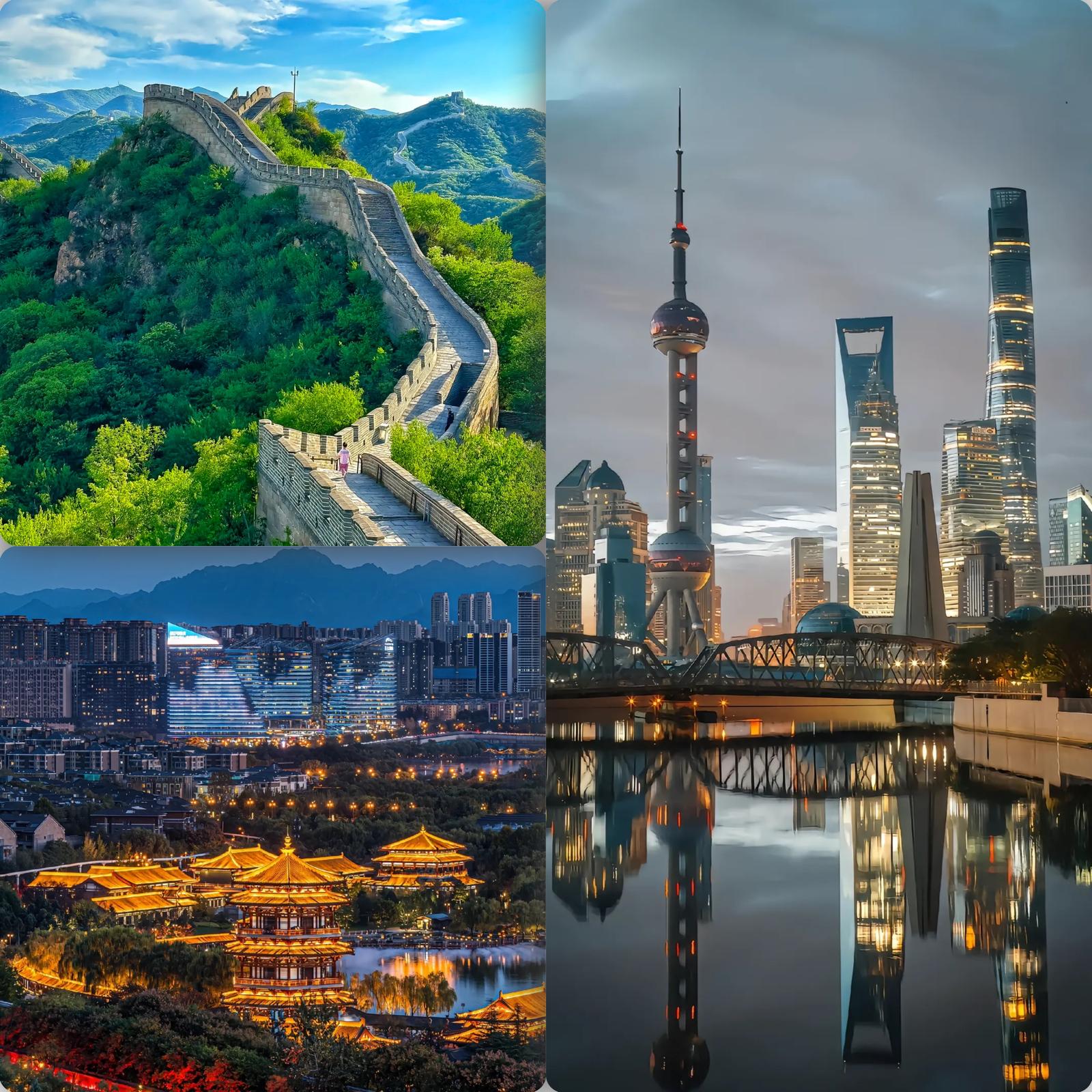
Where future meets past
Shanghai is the largest and most cosmopolitan city in China, located on the country's east coast at the mouth of the Yangtze River. Known for its impressive skyline, economic dynamism and cultural mix, Shanghai represents the most modern and international side of China. The city combines futuristic skyscrapers in Pudong with historic neighbourhoods, traditional gardens and colonial buildings along the famous Bund, offering a fascinating blend of tradition and modernity.
What to see?
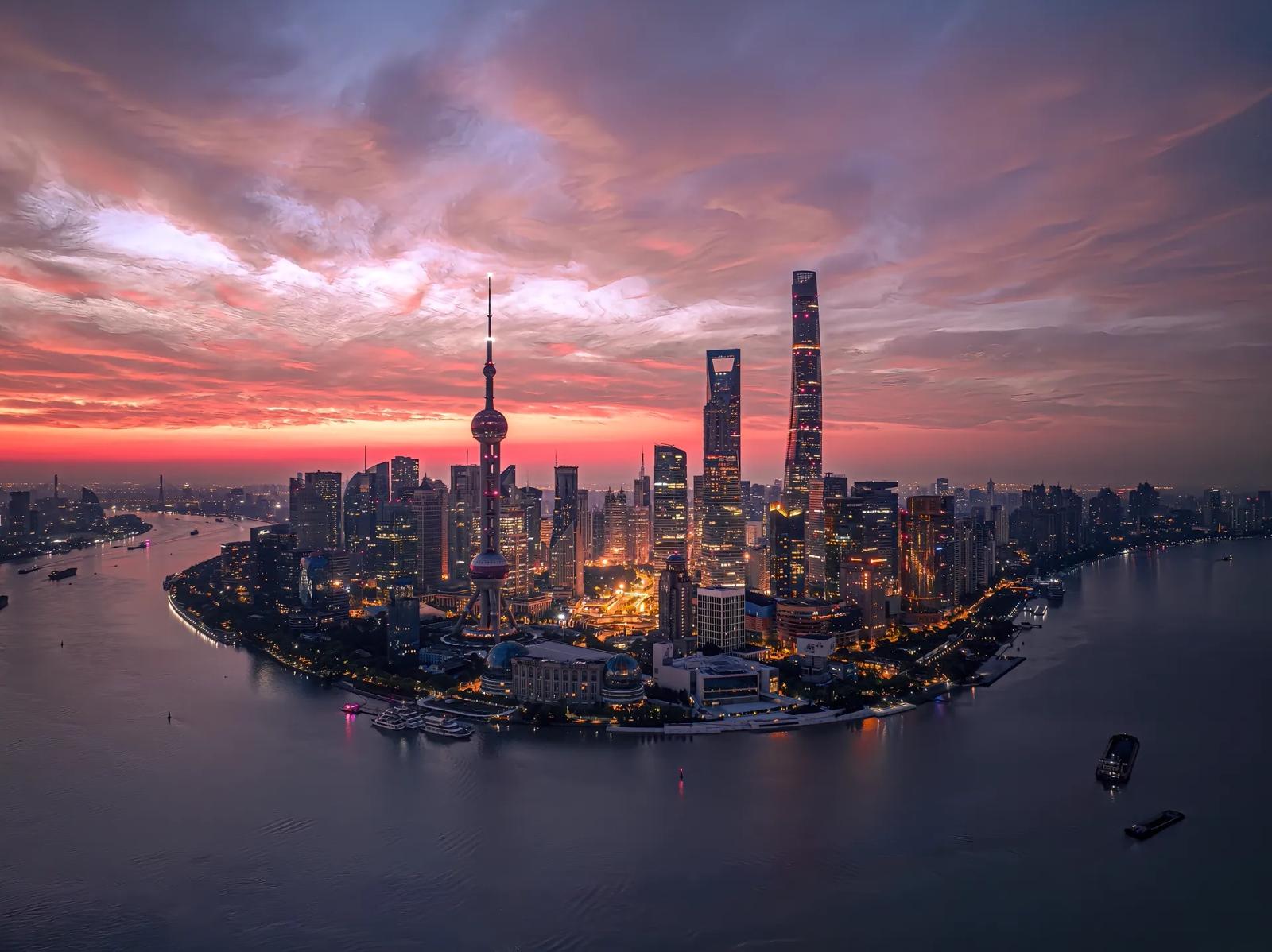
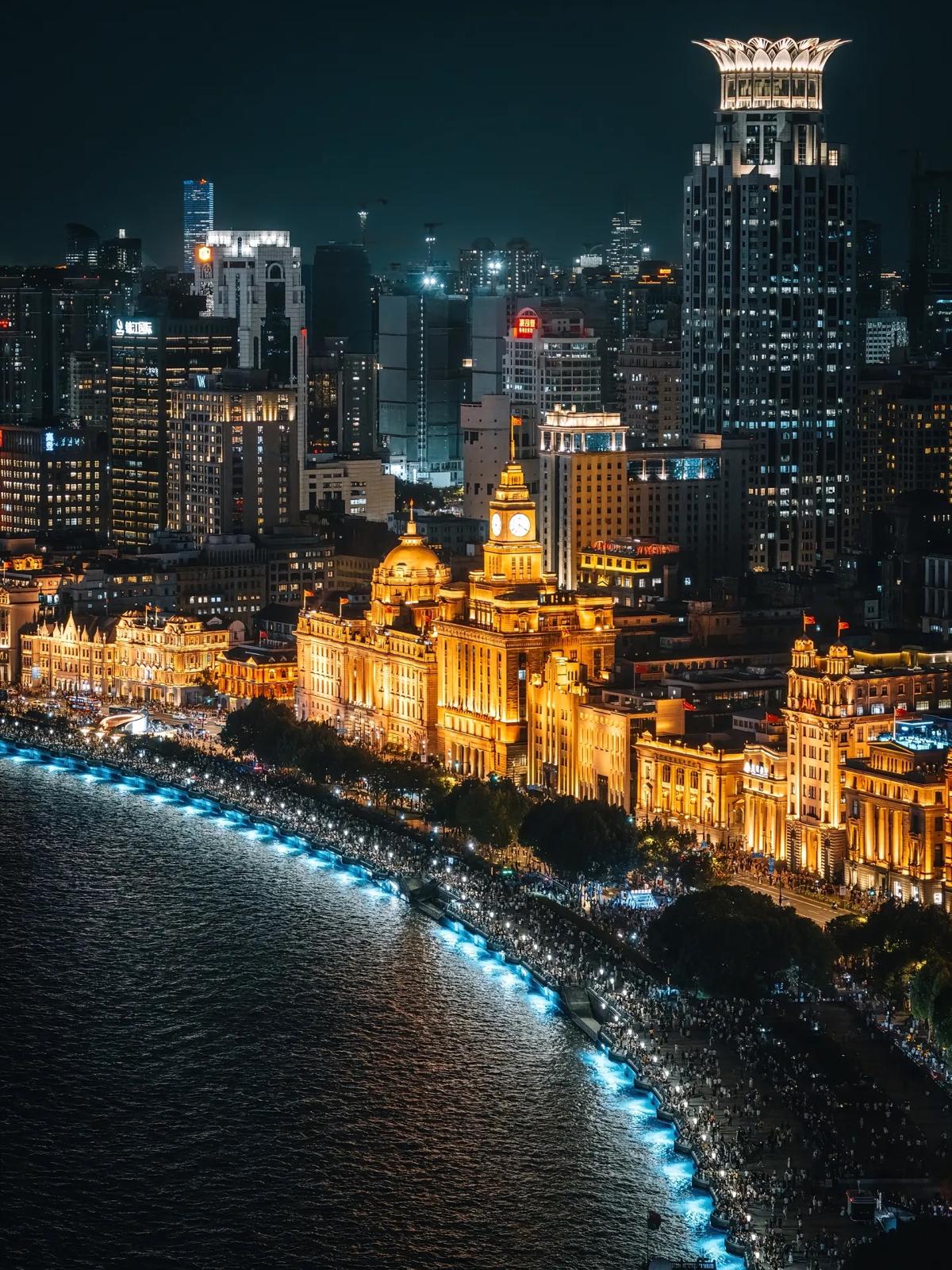
The Bund
Shanghai's most famous promenade, located on the banks of the Huangpu River. From here you can admire the historic colonial-style buildings and the impressive views of the Pudong skyline.
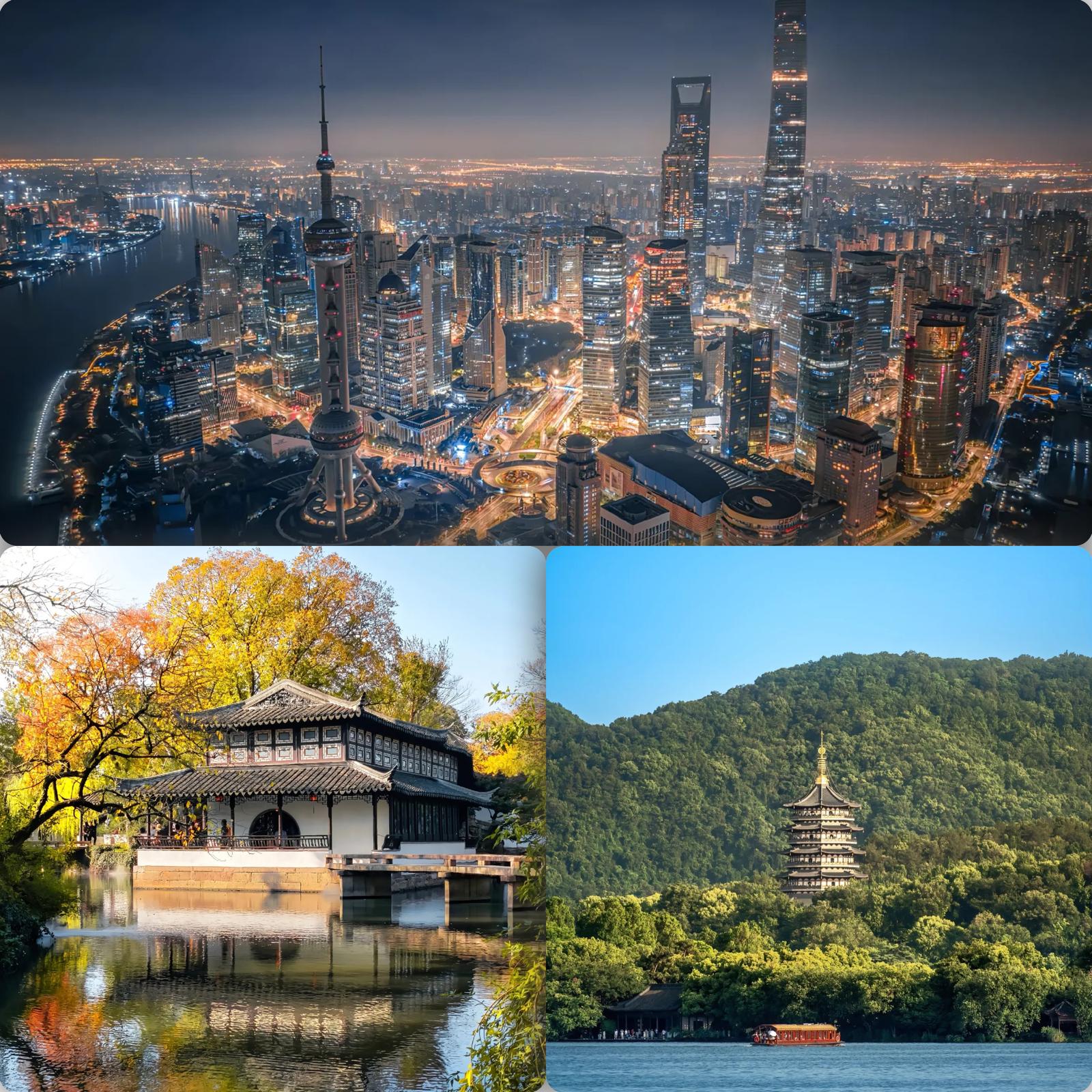
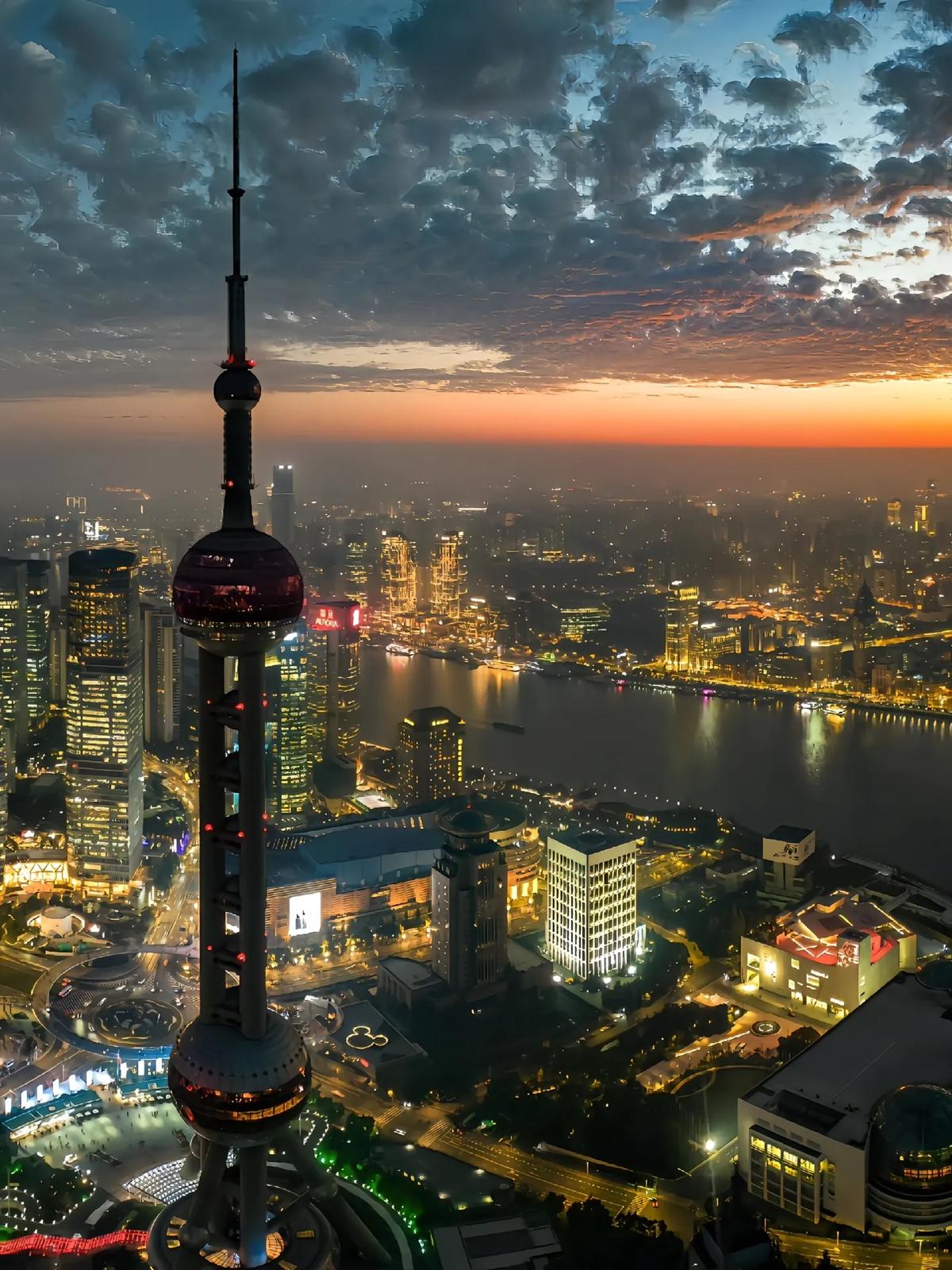
Shanghai Tower
The tallest building in China and one of the world's tallest skyscrapers. Its observation deck offers a spectacular panoramic view of the entire city.
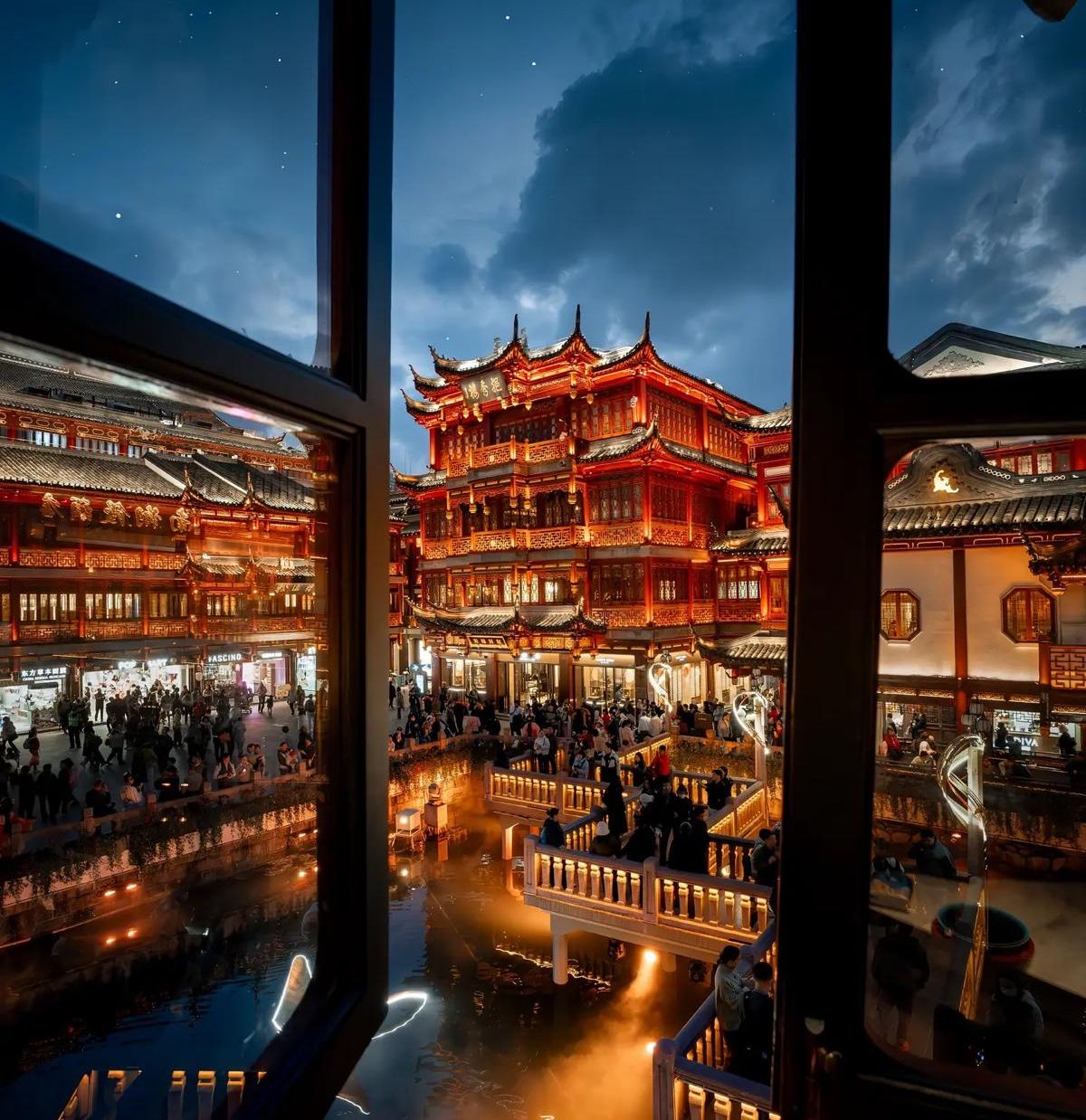
Yuyuan Garden
A classic Ming Dynasty Chinese garden with pavilions, bridges and ponds. It is one of the finest examples of a traditional garden in Shanghai.
Recommended experiences
Strolling along the Bund at sunset
Walking along this famous riverside promenade lets you enjoy one of China's most impressive urban landscapes, especially when the Pudong skyscrapers light up at night.
Going up to a viewpoint in Pudong
Going up the Shanghai Tower or other skyscrapers in the area offers a spectacular panoramic view of the city's skyline.
Exploring Yuyuan Garden and its traditional market
Strolling through its pavilions and bridges, and browsing the shops and food stalls that surround the garden, is one of Shanghai's most typical experiences.
Taking a cruise on the Huangpu River
A boat ride along the river lets you admire both the Bund's historic buildings and Pudong's modern skyscrapers.
Culture & fun facts
China's most international city
Shanghai has been one of the main commercial and financial centres of Asia for over a century, giving it a unique cosmopolitan character within the country.
The rapid growth of Pudong
The Pudong district, now famous for its skyscrapers, was largely an agricultural area until the 1990s. In just a few decades it has become one of the world's most important financial centres.
Shikumen architecture
A traditional type of housing typical of Shanghai that combines Chinese and Western architectural elements. Many of the city's old neighbourhoods are made up of this style of houses.
A city that never stops
With over 24 million inhabitants, Shanghai is one of the world's largest cities and a symbol of the modernisation and dynamism of contemporary China.
Local cuisine
Shanghai's cuisine is characterised by mild, slightly sweet flavours typical of the Jiangnan region. Among the most famous dishes are xiaolongbao, small soup-filled dumplings served steamed; Shanghai-style braised pork (hong shao rou), tender and caramelised with soy sauce; and fresh noodles and seafood prepared with local ingredients. The city also has numerous markets and restaurants where you can try both traditional food and modern offerings that reflect Shanghai's international character.
Tips for travellers
Shanghai has two international airports (Pudong and Hongqiao) and is one of China's main transport hubs, with excellent high-speed rail connections to cities like Beijing, Xi'an or Hangzhou. To see the city's main attractions, it is recommended to spend two to three days, enough time to explore the Bund, Pudong and some historic neighbourhoods. The Shanghai metro is one of the largest and most efficient in the world, making it easy to get around the city quickly and affordably. Shanghai is also an excellent base for day trips to traditional water towns nearby, such as Zhujiajiao or Tongli.