Terracotta warriors and the Silk Road
Xi'an is located in central China and is the capital of Shaanxi Province. With over 3,000 years of history, it was one of the most important capitals of the Chinese empire and the starting point of the ancient Silk Road. The city combines an extraordinary historical heritage, such as the famous Terracotta Army, with ancient city walls, traditional neighbourhoods and a vibrant cultural life that reflects its past as one of China's great centres of civilisation.
What to see?
Terracotta Army
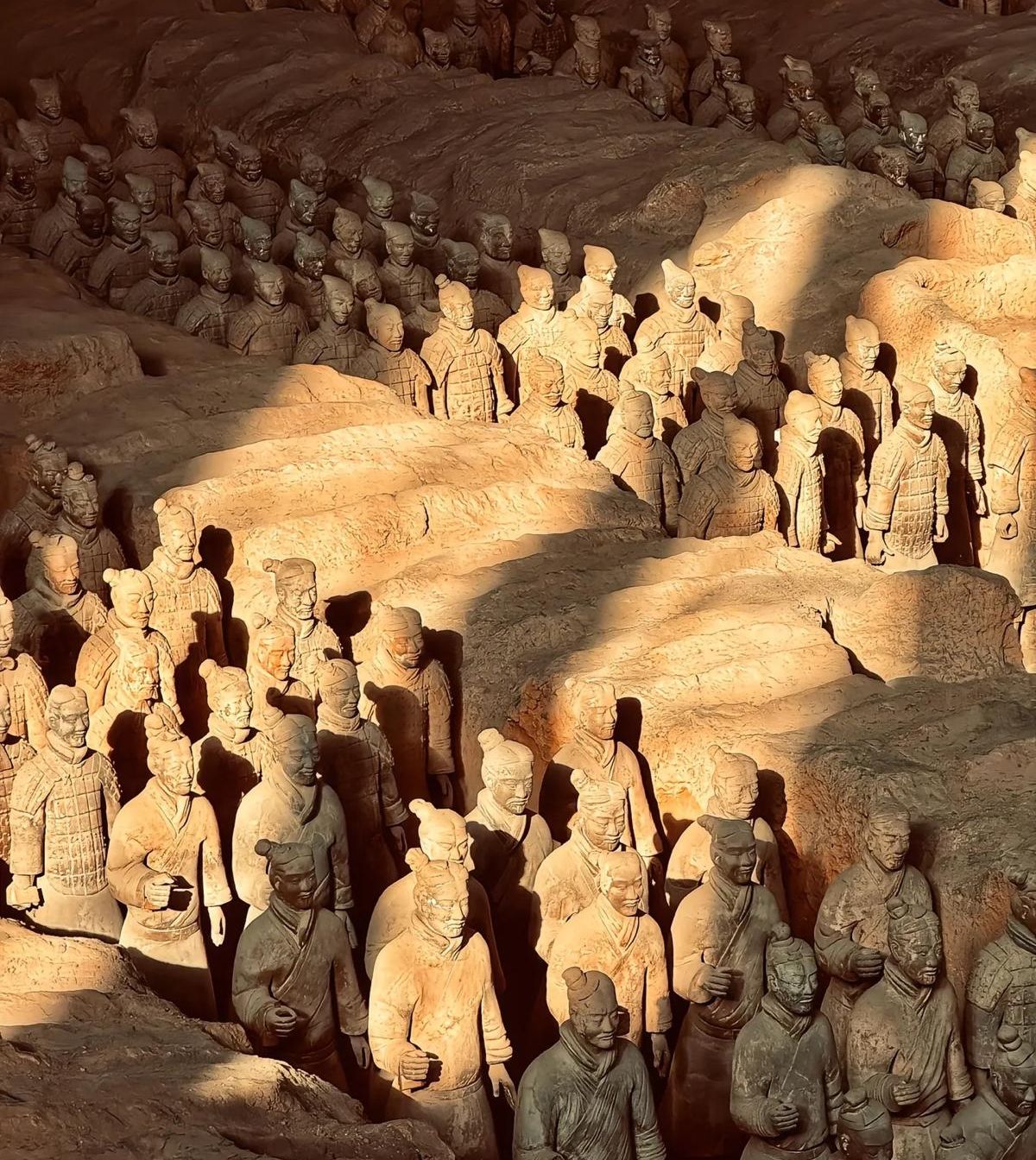
One of the most impressive archaeological discoveries in the world. Thousands of terracotta soldiers, horses and chariots guard the tomb of China's first emperor, Qin Shi Huang.
Xi'an City Wall
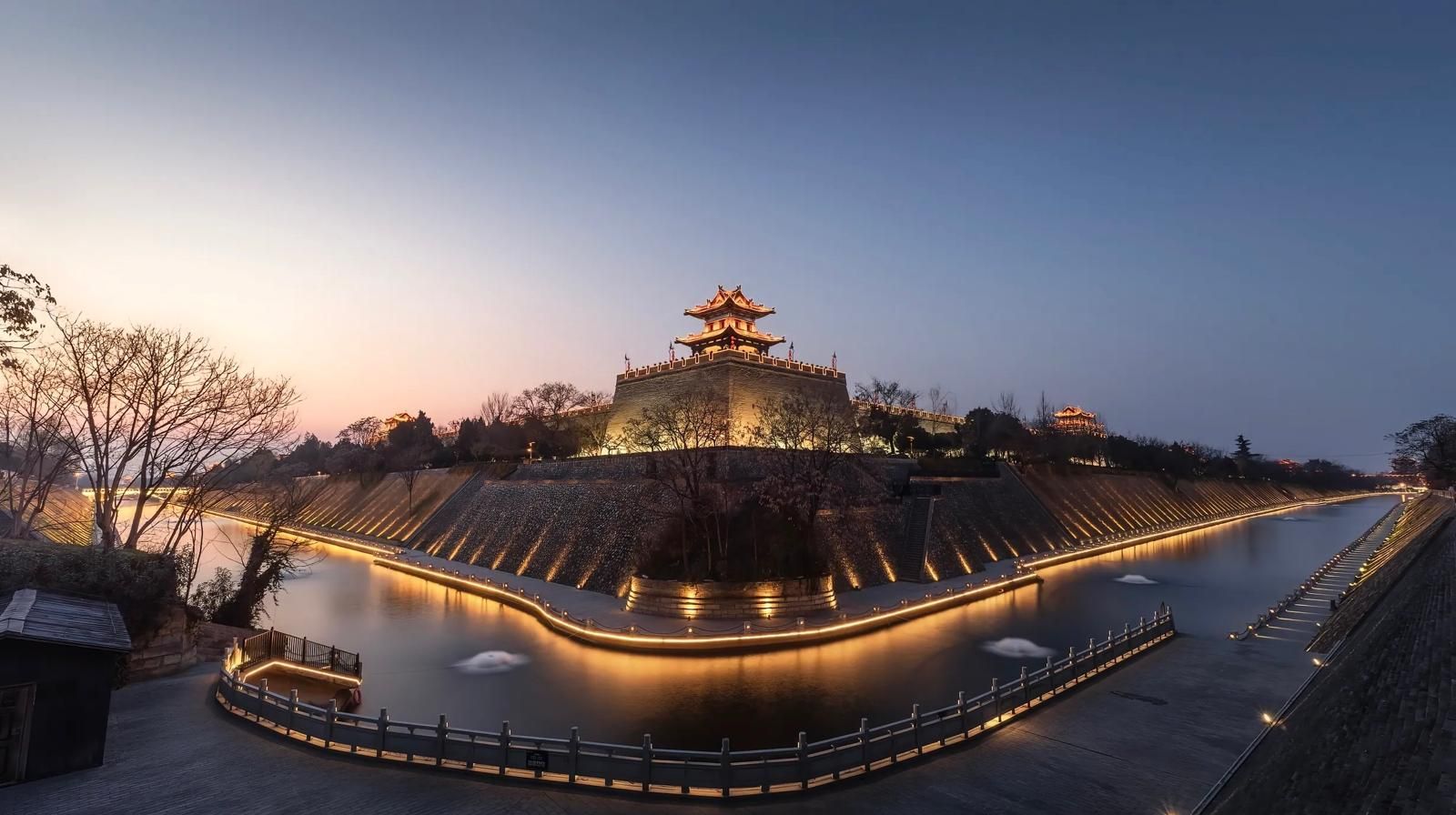
One of the best-preserved ancient city walls in China. It surrounds the historic centre and can be explored on foot or by bicycle to enjoy views of the city.
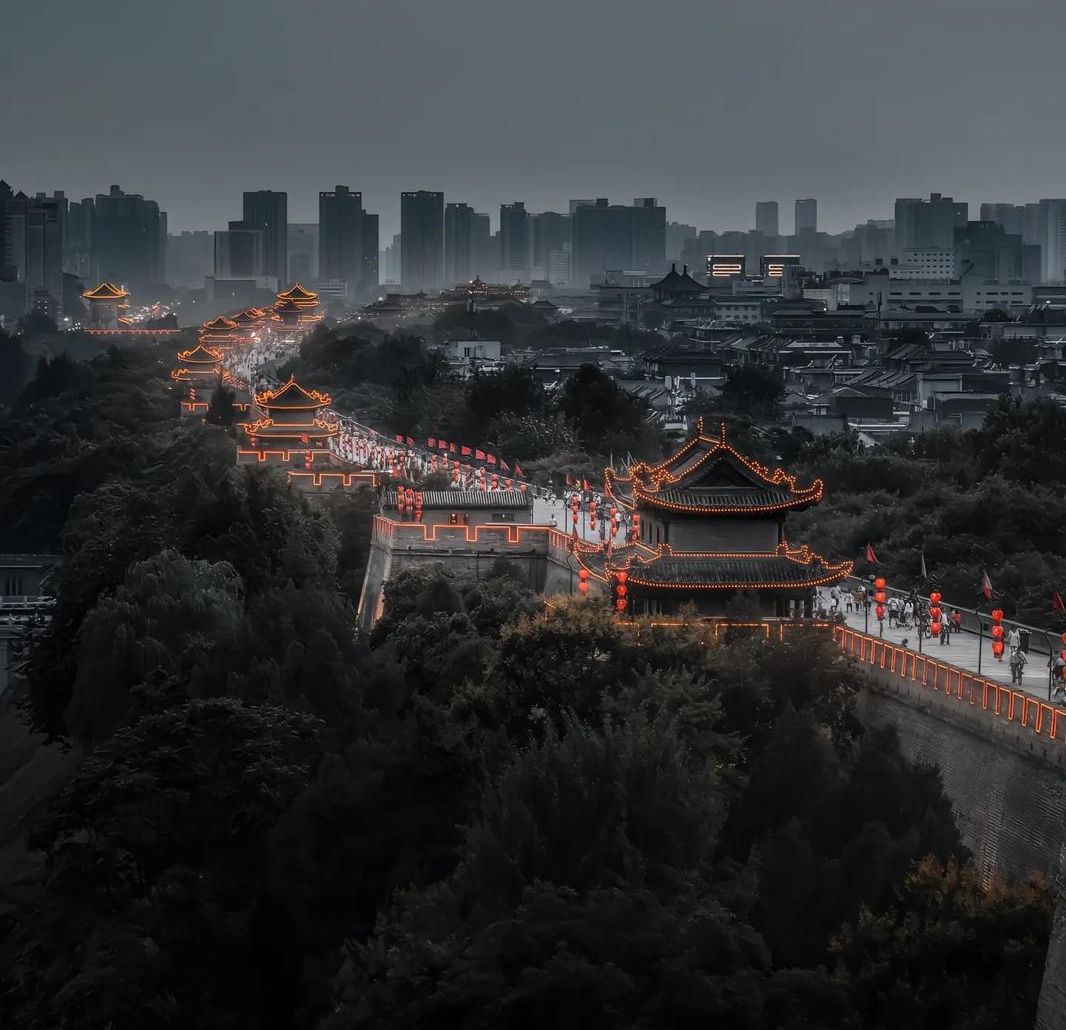
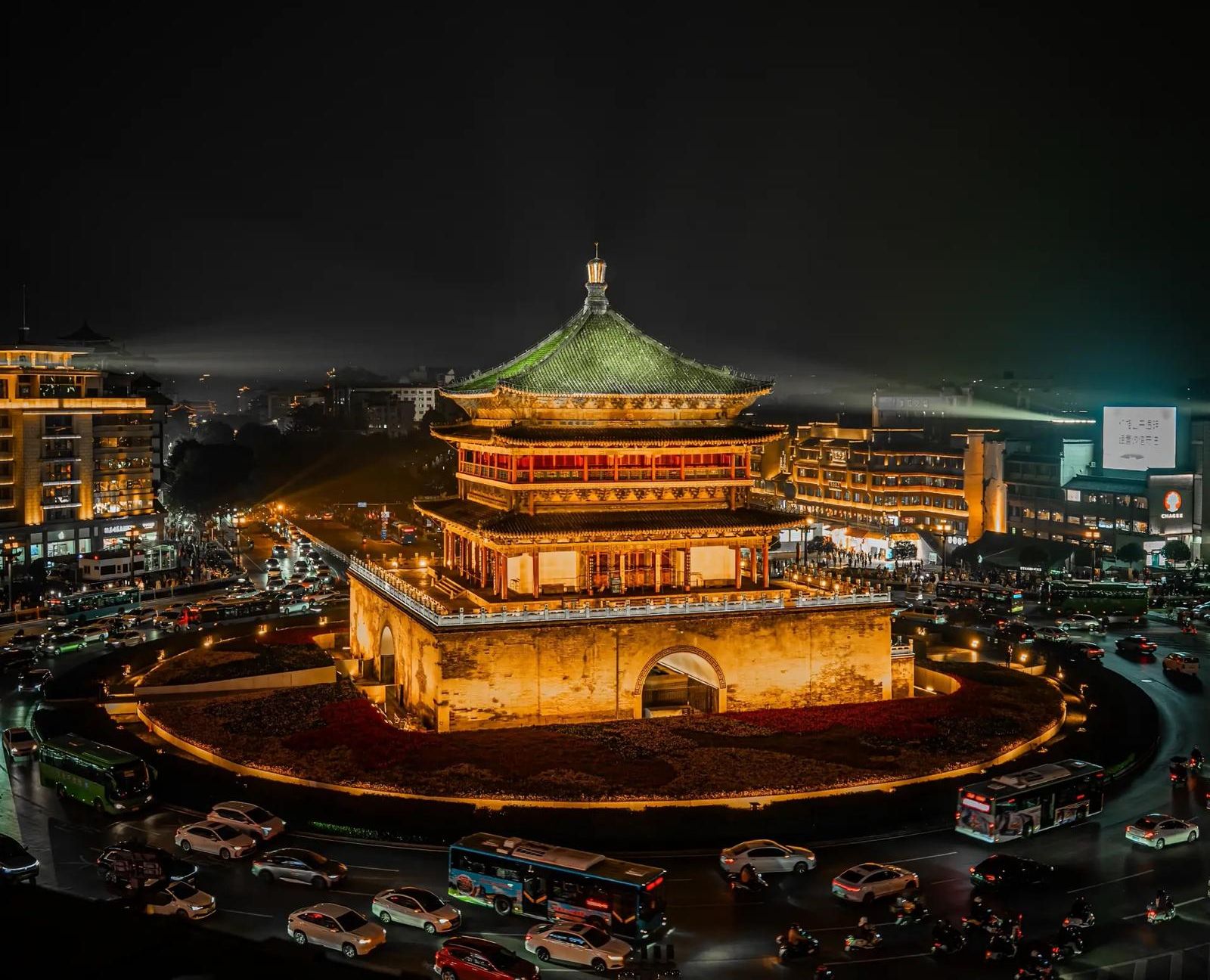
Bell Tower and Drum Tower
Two of the most iconic monuments in central Xi'an, located in the heart of the old city and surrounded by lively commercial streets.
Recommended experiences
Cycling the Xi'an city wall
Completing a full circuit of the wall is one of the best ways to appreciate the city's historical scale and enjoy views of the old town.
Exploring the Muslim Quarter
Getting lost in its lively streets reveals markets, food stalls and a unique cultural blend born from the ancient Silk Road.
Visiting the Terracotta Army with a guide
Touring this impressive site with explanations helps you better understand the history of China's first emperor and the magnitude of the discovery.
Culture & fun facts
Ancient capital of empires
Xi'an was the capital of several Chinese dynasties, especially during the Tang Dynasty, when the city was one of the largest and most cosmopolitan in the world.
Starting point of the Silk Road
From Xi'an, caravans set out across Central Asia towards Europe and the Middle East, making the city an important commercial and cultural centre.
China's first emperor
Near the city lies the tomb of Qin Shi Huang, the first emperor who unified China in the 3rd century BC, famous for the Terracotta Army that guards his mausoleum.
Local cuisine
Xi'an's cuisine reflects its history as a cultural crossroads on the Silk Road, with a strong influence from northwestern Chinese cooking and the local Muslim tradition. Among the best-known specialities is biangbiang mian, wide noodles prepared with spicy sauce; crumbled bread soup with lamb (yangrou paomo), one of the city's most traditional dishes; and grilled lamb skewers, very popular in the Muslim Quarter.
Tips for travellers
Xi'an has an international airport and excellent high-speed rail connections, making it easy to reach from cities like Beijing, Shanghai or Chengdu. To get to know the city well, it is recommended to spend two to three days, enough time to visit the Terracotta Army, walk the city wall and explore the historic centre. The metro is modern and easy to use, although many of the main attractions within the wall can also be explored on foot or by bicycle.